Smarter Gameplay Starts with Blackjack Knowledge
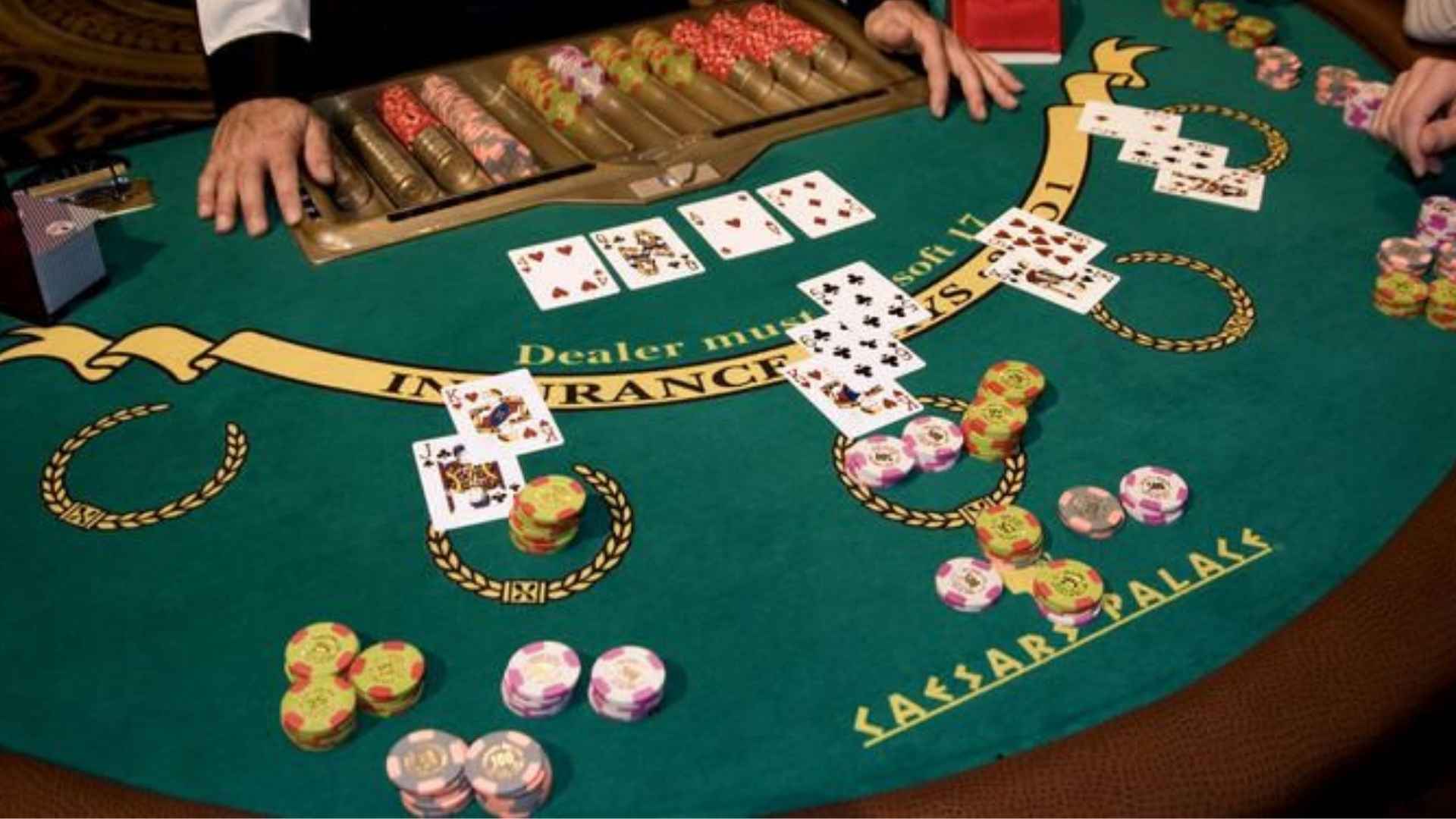
Blackjack stands out in the casino environment because it allows players to actively influence their outcomes through deliberate choices rather than relying entirely on luck. While randomness always plays a significant role in card distribution, incorporating practical ideas and data-driven methods can drastically stabilize your gameplay. By focusing on realistic tactics, anyone can replace emotional decisions with consistent strategies that truly work over time.
The Core Power of Decisive Strategy Charts
Every successful approach to the table begins with a mathematical understanding of card probabilities, usually summarized in standard basic strategy charts. These guides dictate the optimal mathematical action for every potential total against the specific card the dealer is showcasing. Relying on this structured blueprint removes harmful guesswork and protects your available resources from impulsive errors during high-stress situations.
For example, a standard baseline recommendation is to consistently stand on hard totals of seventeen or higher because attempting to draw another card carries an immense statistical risk of busting. Conversely, modern players often refine their skills by observing virtual table dynamics before committing real funds to a session. Exploring reliable platforms like a premium M88 slot destination offers a great way to view different gaming variations and understand how software rules affect overall probability.
Smart Capital Preservation and Table Discipline
Even a flawless execution of standard card strategies will ultimately fall short if you fail to implement rigorous limits on your financial resources. Experienced players recommend setting a clear, unbreakable budget before sitting down and dividing that total into small, manageable units per bet. A disciplined target is to wager no more than one to two percent of your total session capital on any single distribution of cards.
Maintaining complete emotional distance from short-term outcomes is what separates casual enthusiasts from long-term strategic players. Chasing unexpected losses by suddenly increasing your stake is a quick path to depleting your entire session budget ahead of schedule. Recognizing when to step away from the digital or physical table ensures that your gaming habits remain sustainable, structured, and entirely entertaining.
Evaluating Value in Splits and Double Downs
Maximizing efficiency during favorable situations depends heavily on recognizing exactly when to double your initial wager or split your current pairs. A universal standard among seasoned participants is to always split a pair of Aces or a pair of eights, regardless of what card the dealer has exposed. Splitting Aces instantly creates two high-potential scoring paths, while splitting eights successfully breaks up an incredibly awkward initial total of sixteen.
Doubling down is a highly effective offensive option when the dealer shows a vulnerable opening card like a four, five, or six. This option becomes especially powerful when your initial two cards total a hard ten or eleven, giving you a strong mathematical probability of landing a high face card. However, players must avoid splitting pairs of fives, as keeping them combined provides a much stronger foundation for a winning hand.